
Evidence design
Research questions, analytical framing, and structured evidence logic for decisions and programmes.
Evidence · Methods · Spatial Intelligence · Applied Research
Research at Modern Generation is framed as an institutional capability that supports partnerships, projects, territorial analysis, monitoring and evaluation, and public-facing analytical outputs. It is not isolated from practice; it strengthens implementation.
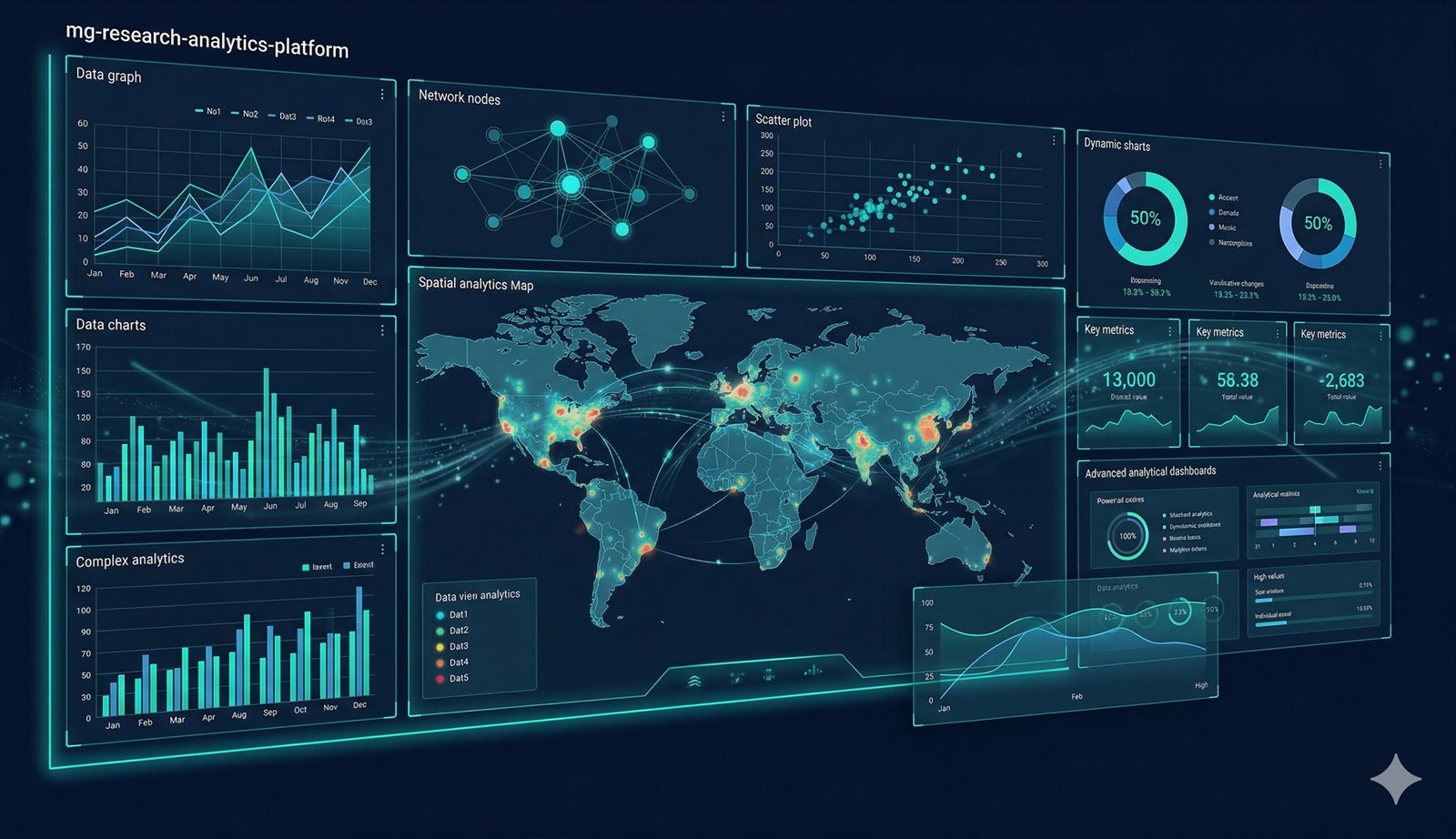
The research architecture is designed around methods that can support real partners, not only academic abstraction.
Research questions, analytical framing, and structured evidence logic for decisions and programmes.
Needs assessments, stakeholder analysis, field inputs, and qualitative or quantitative inquiry.
GIS layers, territorial pattern analysis, map-based interpretation, and geospatial evidence environments.
Indicators, measurement frameworks, learning loops, and analytical reporting for programme performance.
The research section is connected to search-intent landing pages so that analytical demand from search engines can flow into a coherent institutional structure.
For stakeholders looking for research design, field inquiry, and community evidence.
Open landing page →For programme partners needing structured M&E logic and learning-oriented reporting.
Open landing page →For research environments where geospatial interpretation and data layers matter.
Open landing page →For recovery-oriented studies, prioritisation models, and place-based analytical support.
Open landing page →Visible analytical output matters for institutional credibility. The website therefore connects research identity to publications, dashboards, and project-facing evidence products.
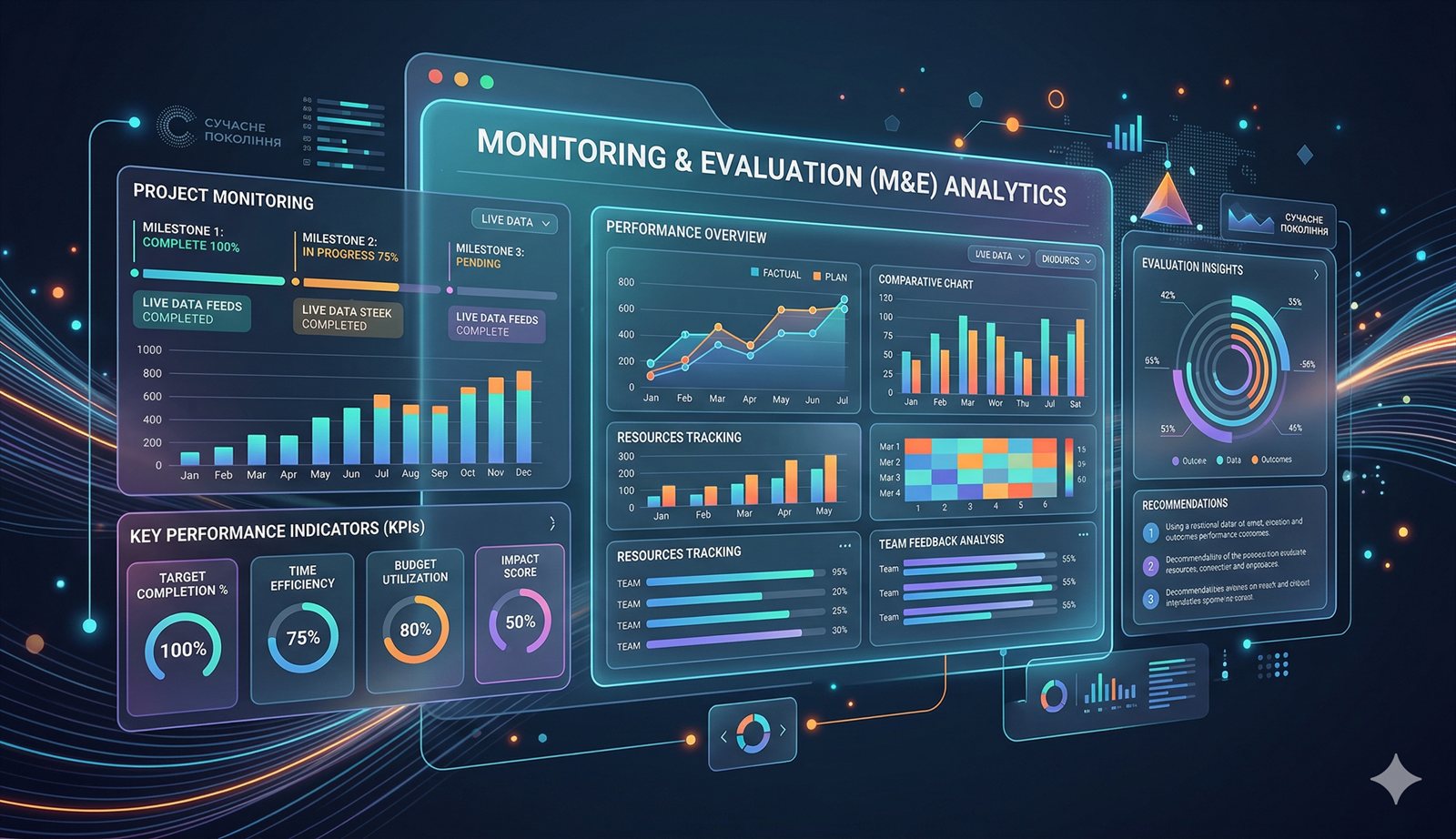
Structured evidence for programme review, performance interpretation, and institutional learning.
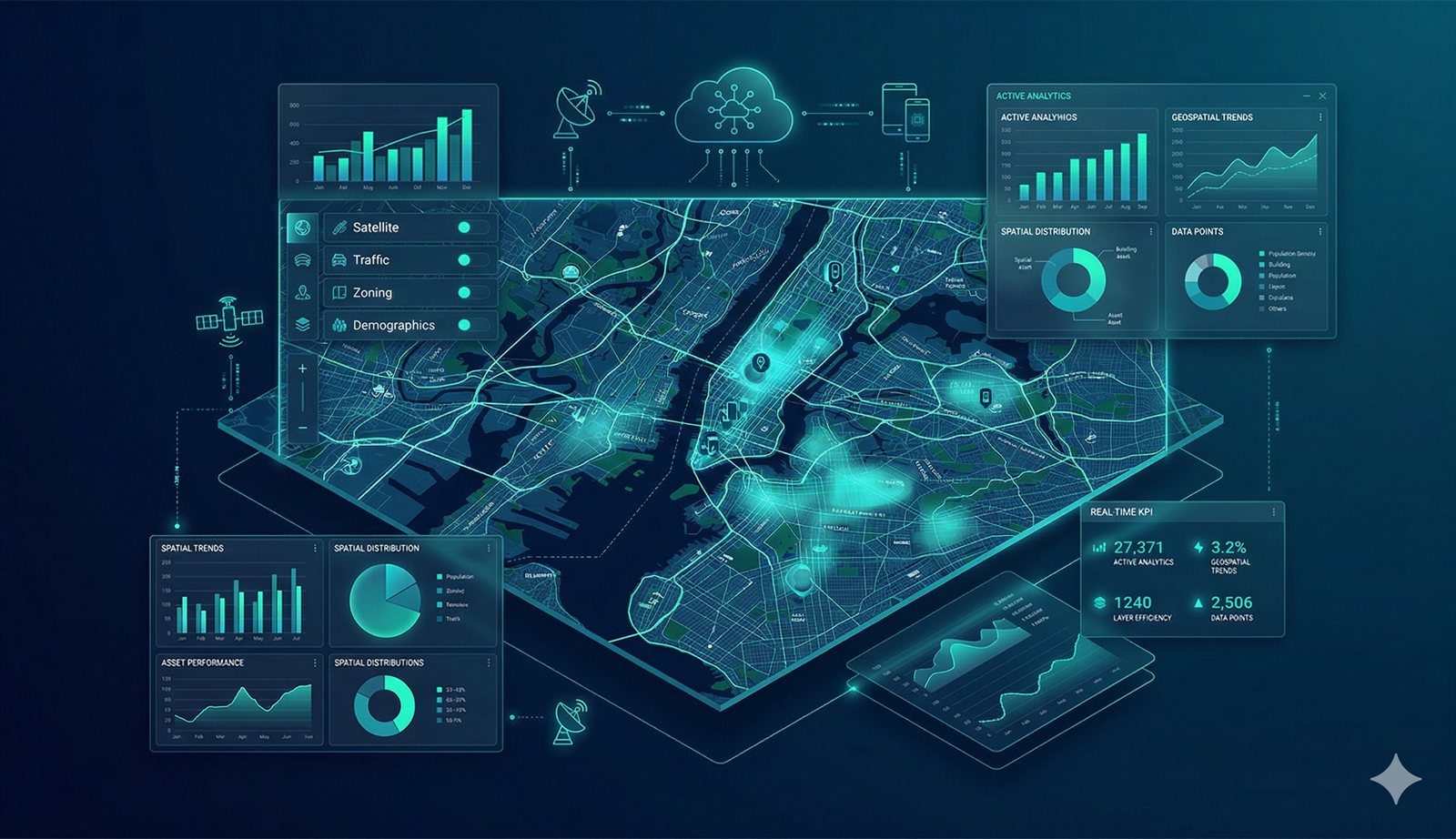
Map-based analytical environments that transform geodata into partner-ready insight.
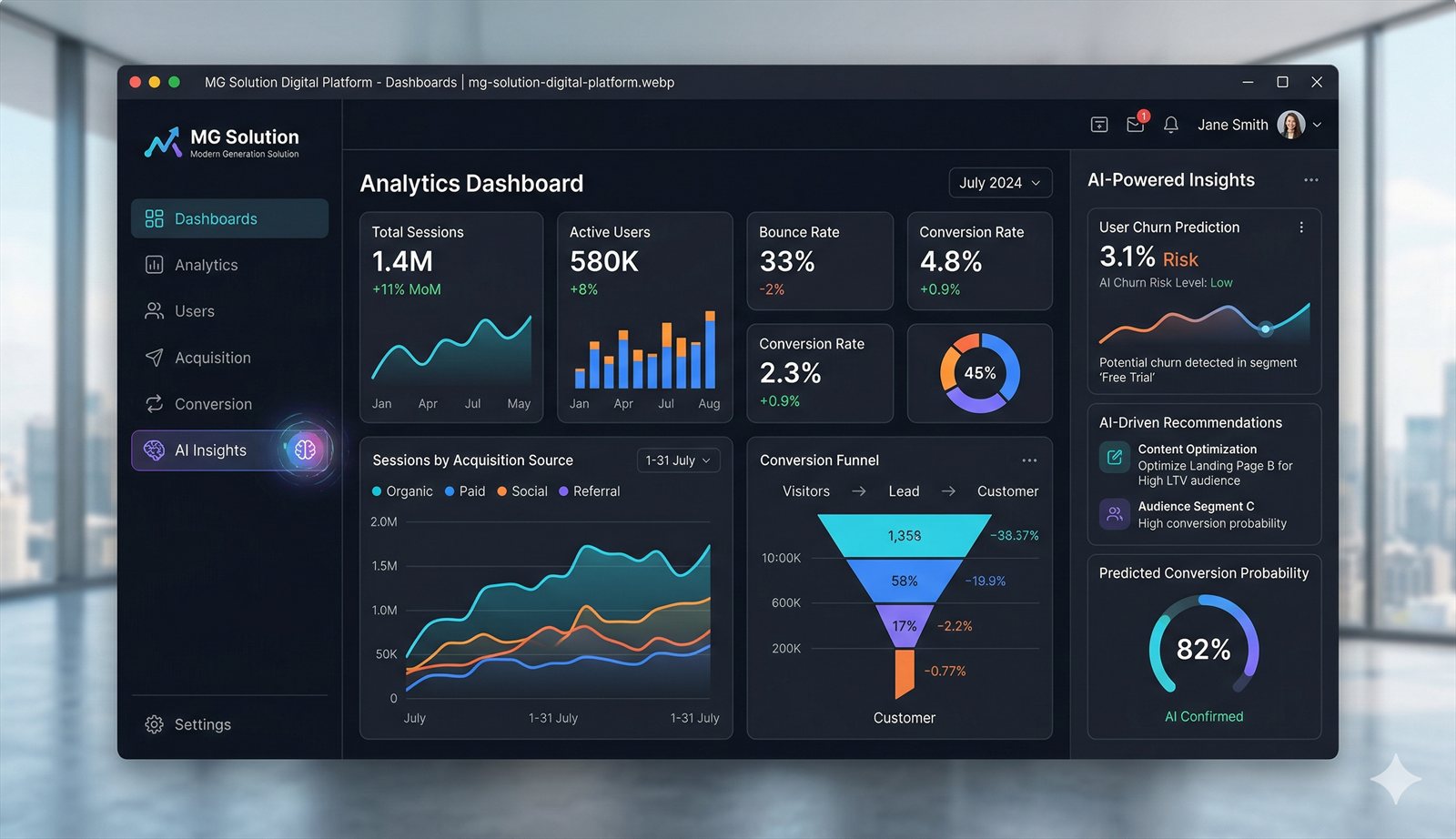
Dashboards, analytical summaries, and publication-oriented materials for projects and cooperation.
Modern Generation is available for institutional collaboration with universities, think tanks, NGOs, programmes, and international actors seeking research capacity in Ukraine.